
Comparing WebMCP with Traditional Browser APIs: What Sets It Apart?
Understanding WebMCP
WebMCP is a modern platform that offers a range of features for web developers looking to build dynamic and responsive applications. Unlike traditional browser APIs, WebMCP provides a more integrated approach, enabling seamless interaction with various web components. This integration allows developers to focus on creating rich user experiences without getting bogged down by compatibility issues.

One of the standout features of WebMCP is its ability to handle asynchronous operations more efficiently. This is crucial for applications that require real-time data updates, such as live streaming platforms or interactive dashboards. By leveraging WebMCP, developers can ensure that their applications remain responsive and user-friendly.
Traditional Browser APIs: A Quick Overview
Traditional browser APIs have been the backbone of web development for many years. They provide a set of tools that allow developers to manipulate web pages, handle events, and interact with the browser environment. While they have served the industry well, these APIs often come with limitations, especially when dealing with complex applications.
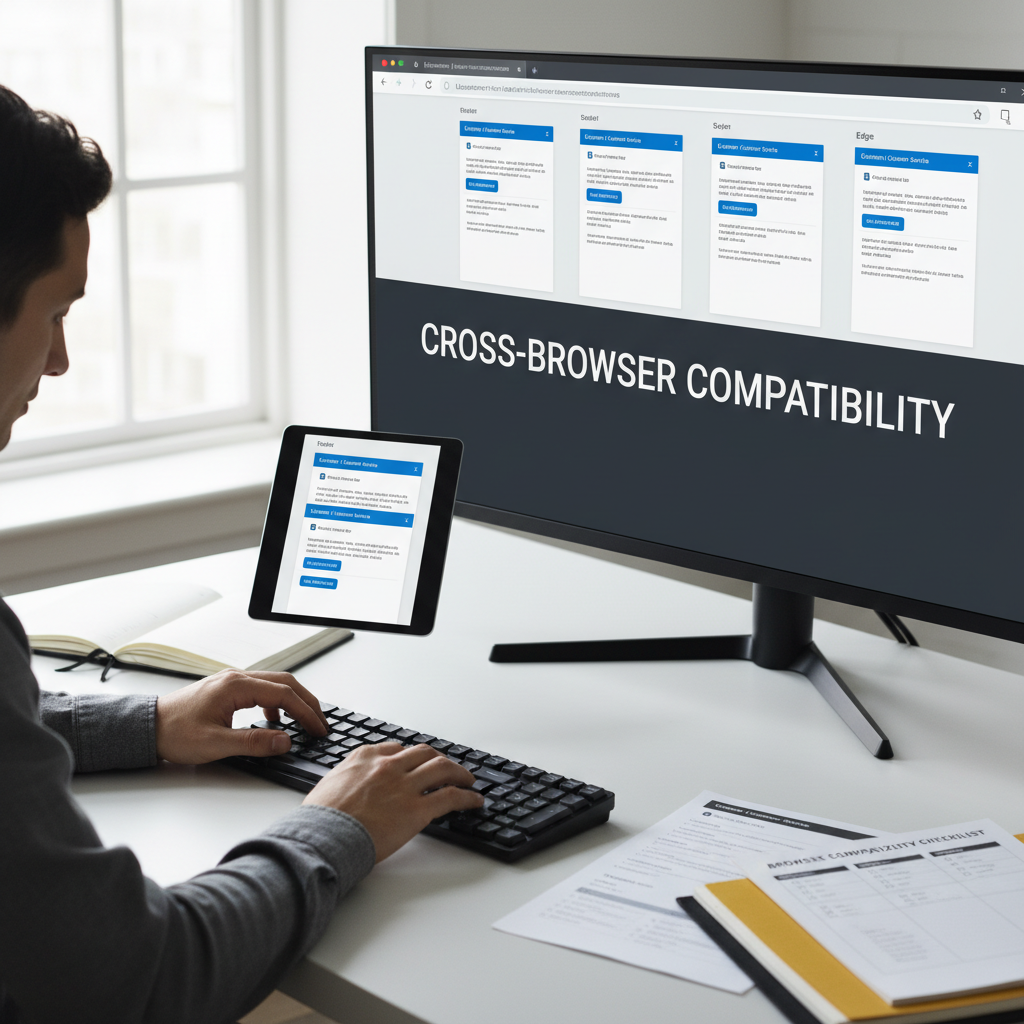
For instance, traditional APIs can sometimes lead to inconsistent behavior across different browsers. This inconsistency can result in increased development time as developers need to implement workarounds to ensure compatibility. Additionally, managing state and data flow in complex applications can become cumbersome without the right tools.
Key Differences Between WebMCP and Traditional APIs
When comparing WebMCP with traditional browser APIs, several key differences stand out. Firstly, WebMCP is designed with a focus on modern development practices, such as component-based architecture and reactive programming. This design philosophy allows for more modular and maintainable code.
- Component-Based Architecture: WebMCP supports a component-based approach, making it easier to reuse code and manage complex applications.
- Reactive Programming: With built-in support for reactive programming, WebMCP enables developers to create applications that respond to changes in data efficiently.
- Cross-Browser Compatibility: WebMCP abstracts away the differences between browsers, reducing the need for browser-specific code.
Benefits of Using WebMCP
One of the primary benefits of using WebMCP is its ability to streamline the development process. By providing a unified platform that abstracts away many of the complexities associated with web development, developers can focus on creating engaging user experiences. This leads to faster development cycles and a more agile development process.

Additionally, WebMCP offers enhanced performance features, such as optimized rendering and efficient state management. These features contribute to faster load times and smoother interactions, which are critical factors in retaining users and improving overall satisfaction.
Conclusion: Choosing the Right Tool for Your Project
Ultimately, the choice between WebMCP and traditional browser APIs depends on the specific needs of your project. For developers working on modern, dynamic applications, WebMCP provides a robust set of tools that can simplify the development process and improve application performance.
On the other hand, for projects that require minimal functionality or need to support legacy systems, traditional browser APIs may still be a viable option. By understanding the strengths and limitations of each approach, developers can make informed decisions that align with their project goals.